

Ankylosing spondylitis is a chronic inflammatory condition that mainly affects the spine, hips, and sacroiliac joints. Over time, it can cause pain, stiffness, and postural changes that interfere with daily life. While ankylosing spondylitis treatment with medications helps control inflammation, exercise plays a critical role in preserving mobility.
This guide covers the best exercises for ankylosing spondylitis, safe, practical movements that reduce pain, improve posture, and support long-term function, especially for patients in India.
Always consult your rheumatologist or physiotherapist before starting or modifying any exercise routine.
Ankylosing spondylitis is a type of inflammatory arthritis where chronic inflammation targets the spine and nearby joints. If unmanaged, it may lead to gradual stiffness and partial fusion of spinal bones.
A common question patients ask is, “What is the cause of ankylosing spondylitis?” The exact cause is not fully understood, but a combination of genetic factors, particularly the HLA-B27 gene, and immune system triggers are believed to play a key role. Many patients in India experience delayed diagnosis and prolonged morning stiffness, making early lifestyle interventions, especially exercise, essential for maintaining independence.
Exercise is one of the most effective non-drug approaches for managing spondylitis pain. Regular movement helps counter stiffness from inflammation, prevents loss of spinal flexibility, and supports both physical and mental well-being alongside medical treatment for ankylosing spondylitis.
Key benefits include:
Skipping exercise leaves people with ankylosing spondylitis facing much higher daily pain levels. However, simply starting a regular workout routine delivers an absolute 21% reduction in overall pain. Keeping your body moving is one of the most effective ways to naturally lower your daily discomfort.
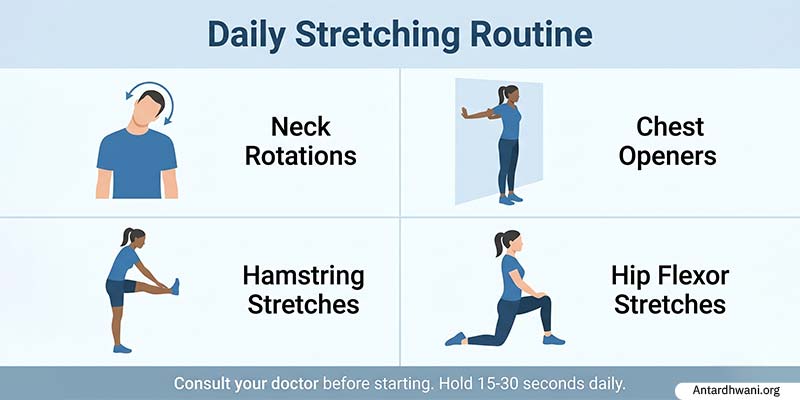
Stretching is the foundation of any exercise plan for AS. Gentle stretches loosen stiff muscles and joints, especially after long periods of rest or sleep, and improve range of motion to prepare the body for other activities.
Frequency: Daily. Hold each stretch 15–30 seconds without forcing movement.
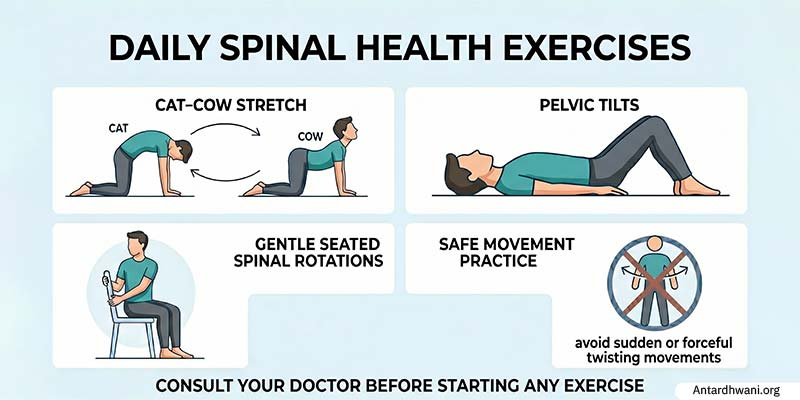
These slow, controlled movements help maintain spinal movement and reduce inflammation-driven stiffness. Practicing regularly can help delay long-term loss of flexibility.
Avoid sudden or forceful twisting movements.
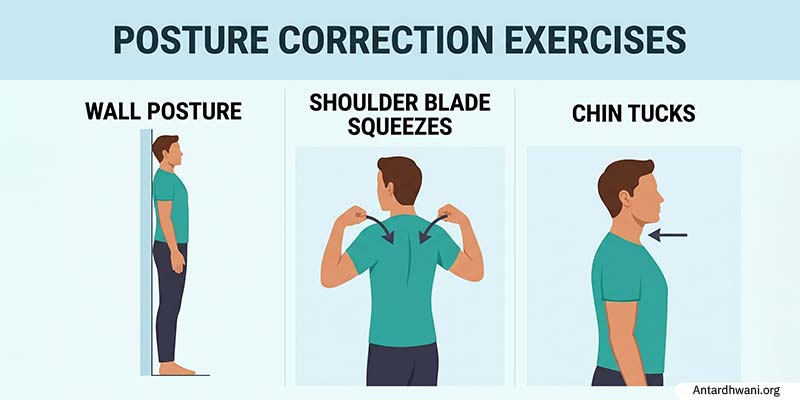
Poor posture is a common challenge in AS. Over time, spinal inflammation can cause a forward curve, affecting balance and everyday function. Posture-focused exercises help maintain upright alignment and reduce strain on the neck and back.

Strengthening the muscles around the back, hips, and core reduces stress on joints and improves overall stability. All strengthening for AS should be low-impact and well-controlled.
Avoid heavy weights or exercises that load the spine excessively.
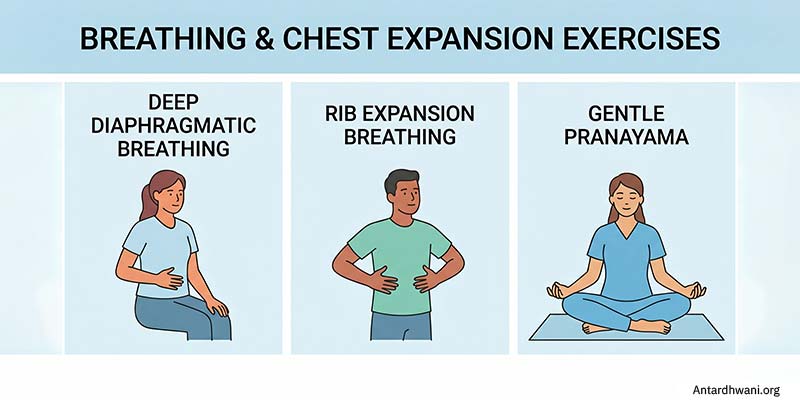
AS can restrict chest expansion over time, reducing lung capacity. Breathing exercises maintain chest wall flexibility and improve oxygen intake, an often overlooked but vital component of care.
Yoga for ankylosing spondylitis is one of the most accessible and effective movement practices for AS patients in India. Gentle, modified ankylosing spondylitis yoga routines can significantly improve flexibility, posture, breathing, and mental well-being when done under proper guidance.
Always work with a certified yoga instructor familiar with AS limitations. Avoid deep backbends, forceful twisting, or inversions.
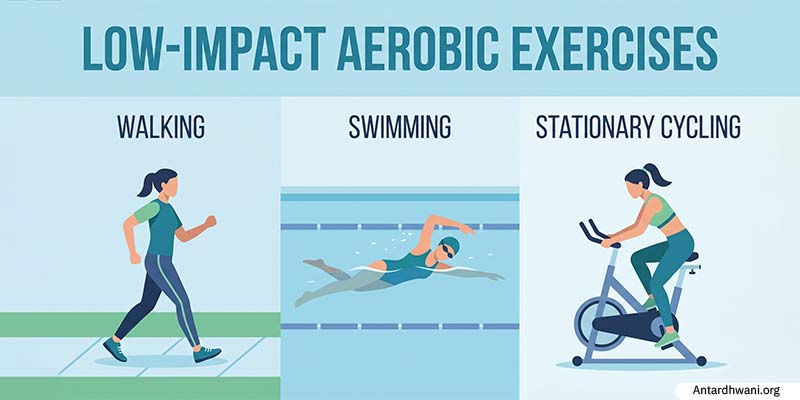
Aerobic activity improves stamina and heart health and helps manage fatigue and weight, all relevant to AS management. Most options are easily accessible in India.
Aim for 20–30 minutes, 3–5 times per week, based on your tolerance.
Certain activities may increase pain or worsen inflammation, especially during flare-ups. It’s important to recognize which movements need modification or avoidance.
Prioritize safety over intensity at all times.
Simple adjustments can make exercise safer and more consistent. Managing spondylitis pain through lifestyle habits goes hand-in-hand with structured exercise.
Consistency matters more than intensity. Even 15–20 minutes of daily movement can make a measurable difference over time.
The best exercise for ankylosing spondylitis management is one that is consistent, safe, and tailored to your current condition. A well-rounded routine combining stretching, spinal mobility, strengthening, breathing, yoga for ankylosing spondylitis, and low-impact aerobics, alongside proper treatment for ankylosing spondylitis, can significantly improve quality of life.
Start slowly, stay consistent, and always adapt based on your symptoms and medical advice.


Discover why 70% of autoimmune disease patients are women. Learn the science behind AS, RA, lupus & more, plus diagnosis…

Living with AS or RA in India? This guide covers daily symptom management, real treatment costs, insurance gaps, mental health,…

Is ankylosing spondylitis really autoimmune? Unlike RA, it has no autoantibodies. Here's the real overlap - and why the difference…